The best first amigurumi projects use clear shapes, familiar stitches and just enough detail to feel special. This collection begins with quick no-sew designs and gradually introduces color changes, joining and simple assembly.
Tiny No-Sew Whale
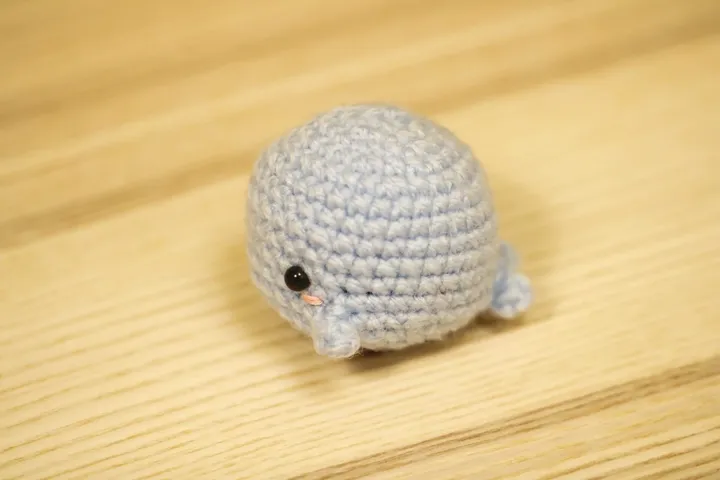
This miniature whale turns a simple rounded body into an instantly recognizable animal, making it a friendly introduction to working in continuous rounds.
Photo and project inspiration: Little World of Whimsy.
- LEVEL
- Absolute beginner
- TRY IT WITH
- DK yarn in two colors
- FINISHING NOTE
- Use a stitch marker at the start of every round.
One-Hour Crochet Turtle
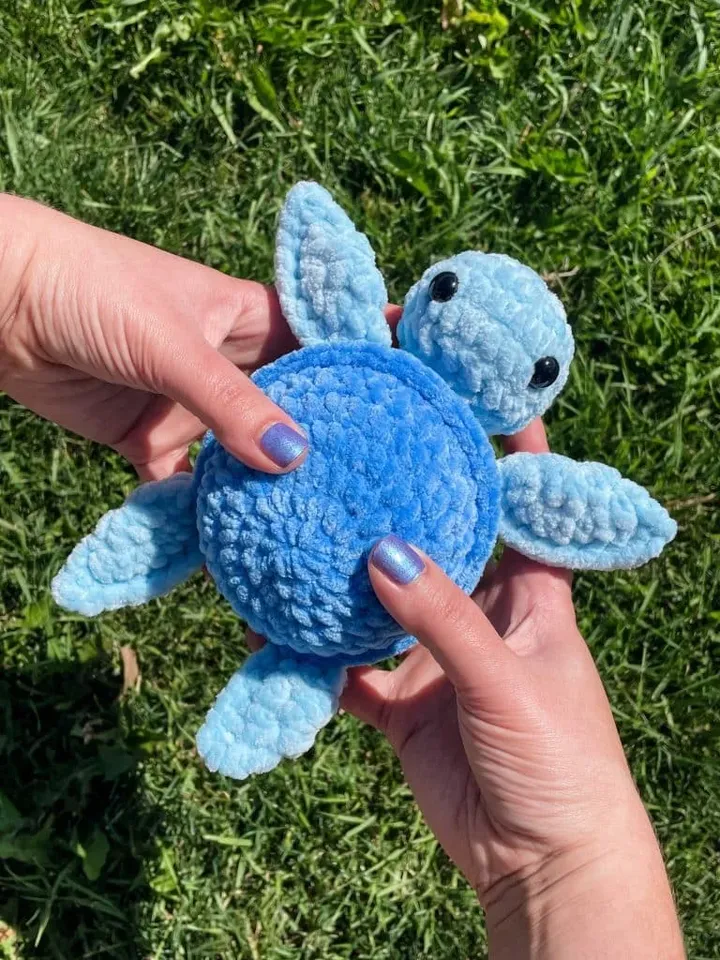
A compact turtle teaches basic shaping while the flippers and head are joined during construction to keep finishing manageable.
Photo and project inspiration: The Friendly Red Fox.
- LEVEL
- Beginner
- TRY IT WITH
- Plush or worsted yarn
- FINISHING NOTE
- Choose contrasting shell and body colors for a strong finish.
Fergus the No-Sew Frog
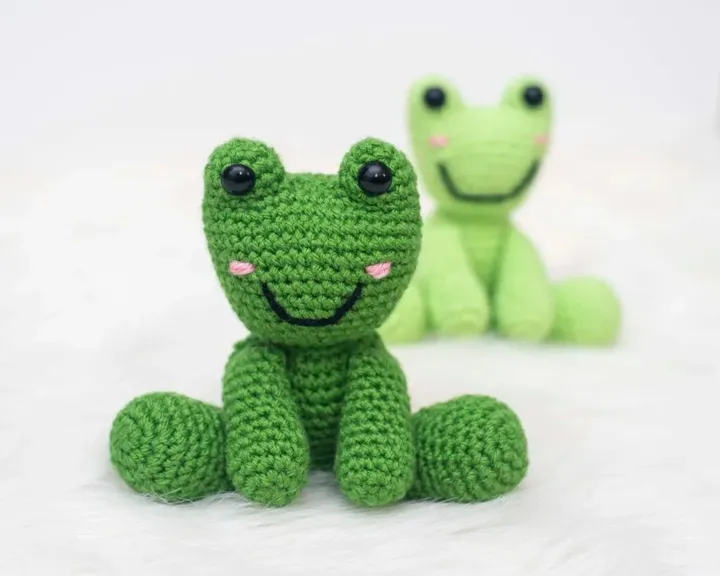
Bobble-style features give this cheerful frog plenty of personality without requiring a pile of separate pieces.
Photo and project inspiration: Nicole Chase.
- LEVEL
- Advanced beginner
- TRY IT WITH
- Super bulky plush yarn
- FINISHING NOTE
- Embroider the face before closing the body for easier access.
Bingsoo the Chubby Penguin
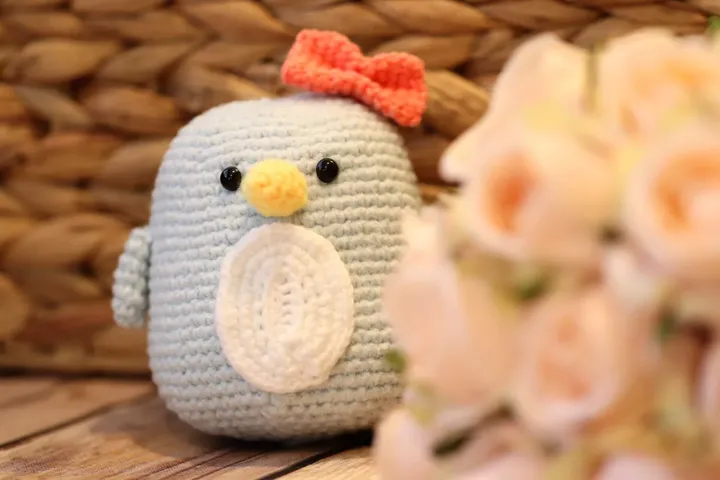
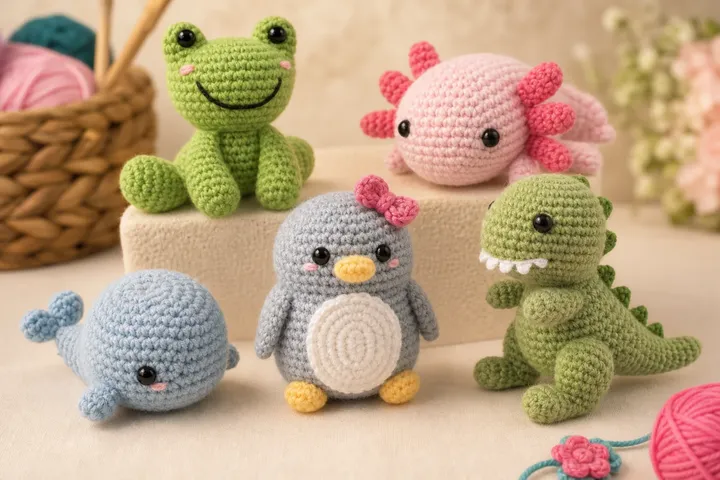
Built from a beginner-friendly ball shape, this soft penguin adds a flat belly and tiny features without overwhelming a first-time toy maker.
Photo and project inspiration: Little World of Whimsy.
- LEVEL
- Beginner
- TRY IT WITH
- Soft sport-weight yarn
- FINISHING NOTE
- Pin the belly in place before sewing to keep it centered.
Esther the Elephant
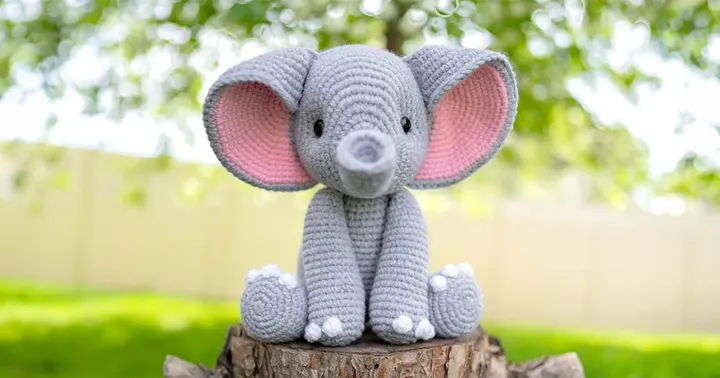
Large ears, a curved trunk and join-as-you-go limbs make this polished elephant an excellent project for learning more confident amigurumi construction.
Photo and project inspiration: Jess Huff.
- LEVEL
- Intermediate
- TRY IT WITH
- Worsted-weight acrylic
- FINISHING NOTE
- Use the accompanying photo tutorials for the shaped trunk.
Fredric the Fox
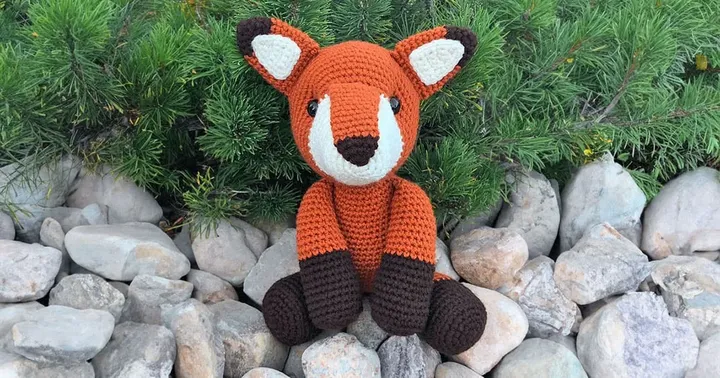
Warm orange colorwork and a classic woodland silhouette create a display-worthy fox while reinforcing neat assembly and facial placement.
Photo and project inspiration: Jess Huff.
- LEVEL
- Intermediate
- TRY IT WITH
- Worsted-weight acrylic
- FINISHING NOTE
- Mark the center line of the face before attaching the muzzle.
Rainbow Ragdoll Unicorn
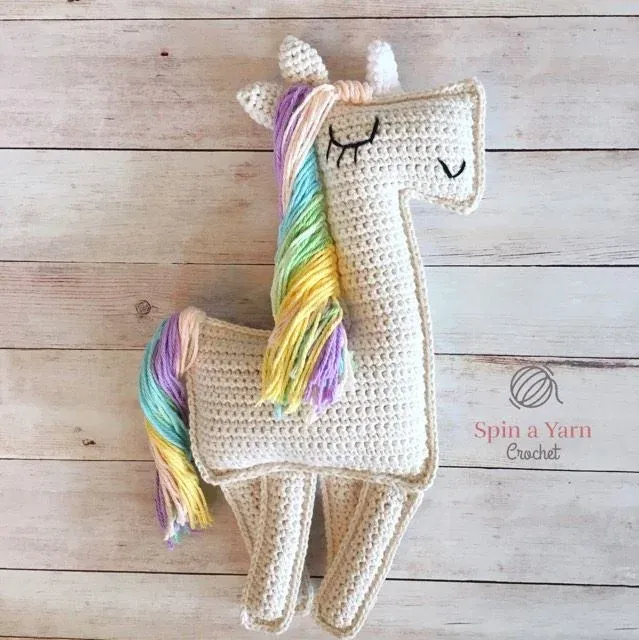
This flat-panel unicorn offers a playful alternative to crocheting in the round and makes color selection part of the fun.
Photo and project inspiration: Spin a Yarn Crochet.
- LEVEL
- Advanced beginner
- TRY IT WITH
- Worsted yarn in several colors
- FINISHING NOTE
- Arrange the mane strands before securing them permanently.
Cheeky Ragdoll Monkey
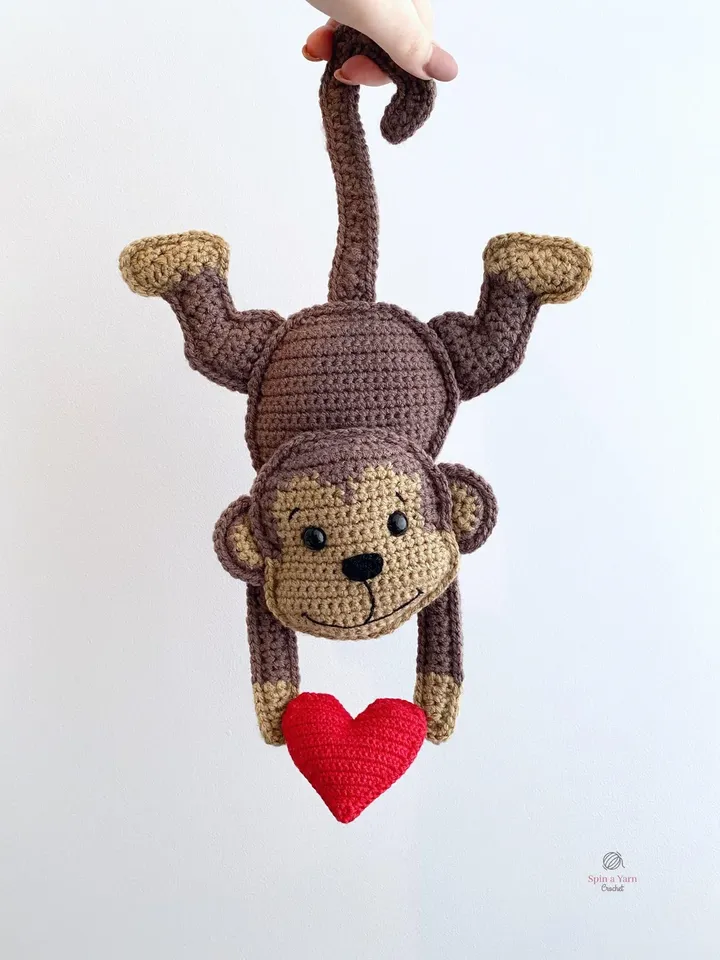
Flat pieces, simple colorwork and an optional branch create a characterful monkey that can become either a toy or nursery wall hanging.
Photo and project inspiration: Spin a Yarn Crochet.
- LEVEL
- Intermediate
- TRY IT WITH
- Worsted yarn and crochet thread
- FINISHING NOTE
- Keep both body panels the same size for a clean join.
Low-Sew Crochet Dinosaur
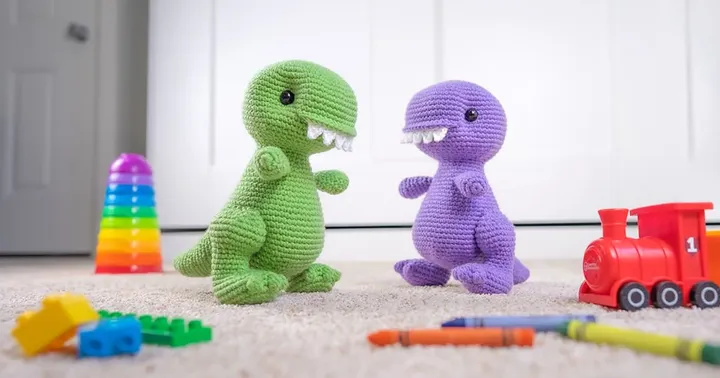
A continuous head-and-body shape and minimal assembly make this dinosaur faster than its detailed silhouette suggests.
Photo and project inspiration: Jess Huff.
- LEVEL
- Advanced beginner
- TRY IT WITH
- Worsted or plush yarn
- FINISHING NOTE
- Stuff the neck firmly so the head stays upright.
Pocket-Size Honey Bee
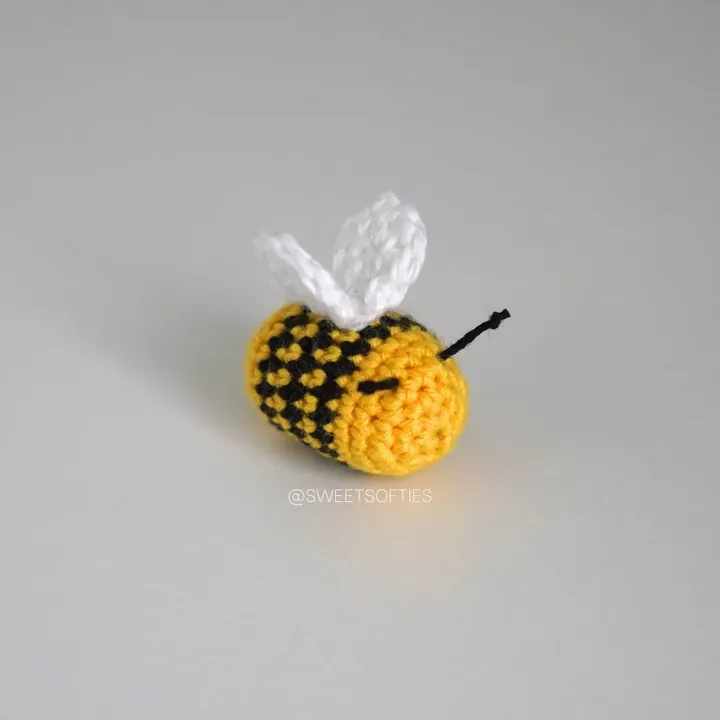
This tiny striped bee works up quickly and can become a keychain, ornament or sweet addition to a handmade gift.
Photo and project inspiration: Sweet Softies.
- LEVEL
- Beginner
- TRY IT WITH
- Fingering-weight cotton
- FINISHING NOTE
- Carry the unused color neatly to reduce loose ends.
Lucy the Axolotl
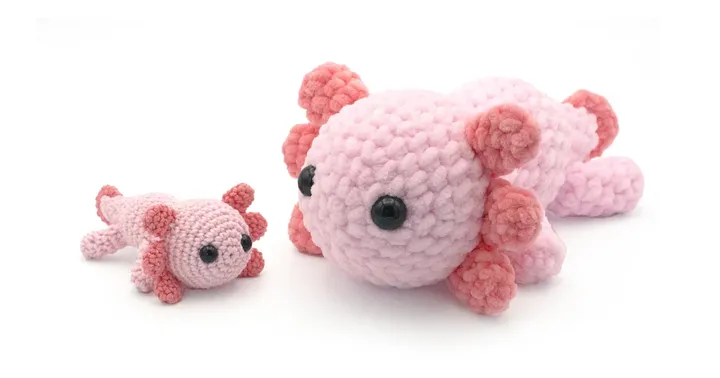
The same almost-no-sew pattern can be made tiny in cotton or squishy in chenille, offering an easy lesson in how yarn weight changes scale.
Photo and project inspiration: DIY Fluffies.
- LEVEL
- Beginner
- TRY IT WITH
- Sport cotton or chenille
- FINISHING NOTE
- Use a slightly smaller hook than the yarn normally recommends.
No-Sew Mini Octopus
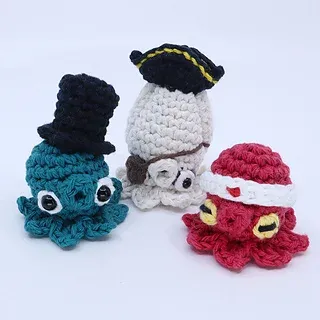
A round head and cleverly formed tentacles cover the essential amigurumi skills in one small, satisfying project.
Photo and project inspiration: Louie’s Loops on Ravelry.
- LEVEL
- Beginner
- TRY IT WITH
- Worsted cotton
- FINISHING NOTE
- Count the tentacle repeats carefully for an even shape.
Spring Butterfly and Bee
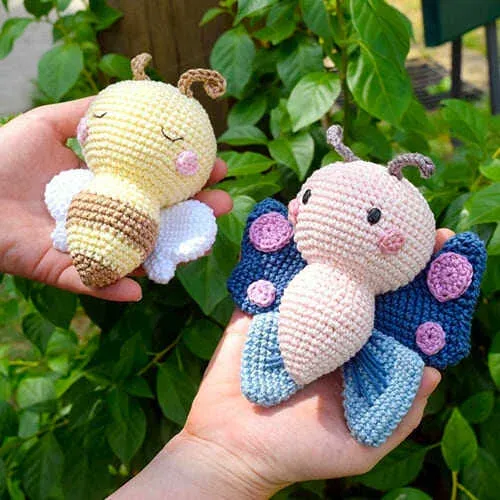
Simple insect shapes with bright wings and stripes are ideal for practicing small color changes and embroidered details.
Photo and project inspiration: Always Free Amigurumi.
- LEVEL
- Beginner
- TRY IT WITH
- Cotton yarn scraps
- FINISHING NOTE
- Use embroidered eyes when making the toy for a young child.
Benedict the Teddy Bear
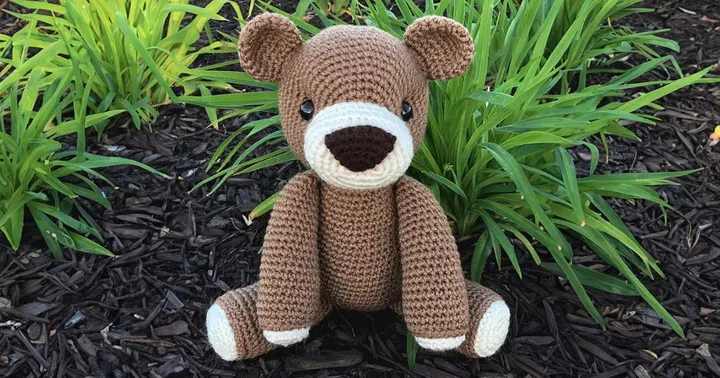
A traditional teddy silhouette builds confidence with separate limbs, symmetrical placement and careful stuffing.
Photo and project inspiration: Jess Huff.
- LEVEL
- Intermediate
- TRY IT WITH
- Worsted-weight acrylic
- FINISHING NOTE
- Pin every paired piece before sewing so both sides match.
No-Sew Jellyfish
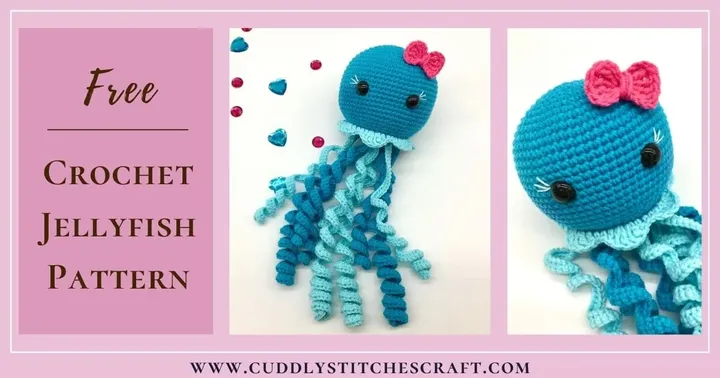
A rounded cap and curled tentacles create a delightful sea creature while introducing several useful textures with no assembly.
Photo and project inspiration: Cuddly Stitches Craft.
- LEVEL
- Beginner
- TRY IT WITH
- Worsted-weight yarn
- FINISHING NOTE
- Vary tentacle lengths slightly for natural movement.
Make thoughtfully and check as you go.
Yarn, hook size and personal tension can change the finished scale. Count every round, stuff gradually and use embroidered features instead of safety eyes when making toys for children under three.