Most early crochet problems are not a lack of talent. They come from a few small habits that are easy to correct once you know what to watch. Use this list as a calm checkpoint while you practise.
Not Counting Every Row
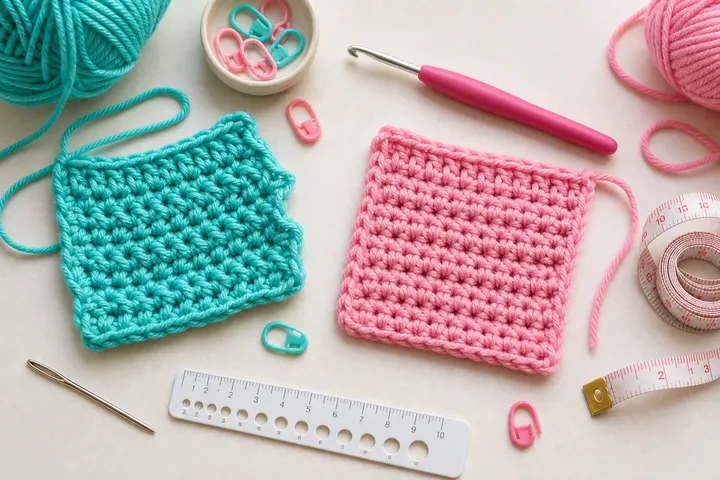
A missed increase or hidden edge stitch can quietly change the shape of the whole project. Regular counting catches the problem while it is still easy to undo.
Photo and project inspiration: Lovable Loops.
- LEVEL
- Beginner
- TRY IT WITH
- Locking stitch markers
- FINISHING NOTE
- Count at the end of each row and mark both edge stitches.
Starting Before Reading the Pattern
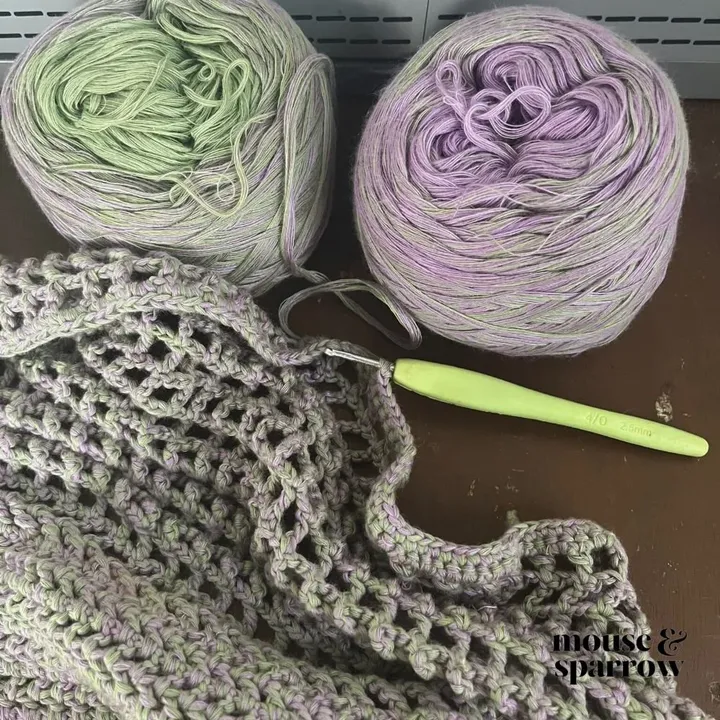
Jumping straight into row one can hide important notes about terminology, turning chains, repeats and construction.
Photo and project inspiration: Mouse & Sparrow.
- LEVEL
- Beginner
- TRY IT WITH
- Printed or saved pattern
- FINISHING NOTE
- Circle the size, stitch key and repeat instructions before starting.
Holding the Yarn Too Tightly
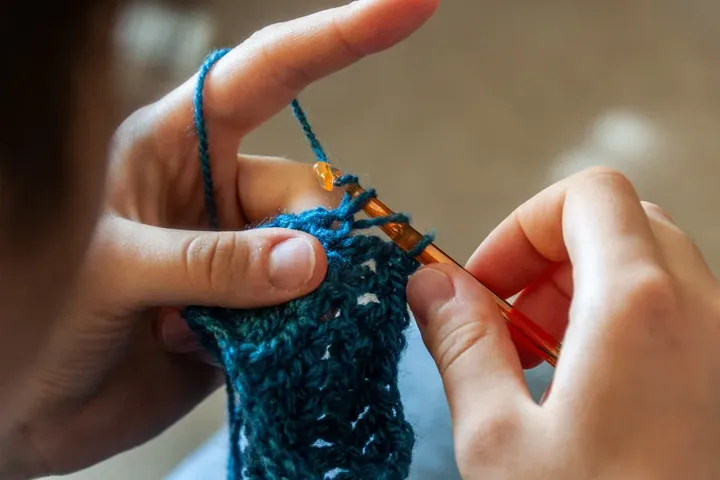
Overly tight tension makes stitches difficult to enter and produces stiff, uneven fabric that is tiring to crochet.
Photo and project inspiration: Missy Kate Creations.
- LEVEL
- Beginner
- TRY IT WITH
- Practice yarn and hook
- FINISHING NOTE
- Relax your yarn hand and let the hook form each loop at its full shaft width.
Choosing the Wrong Hook Size
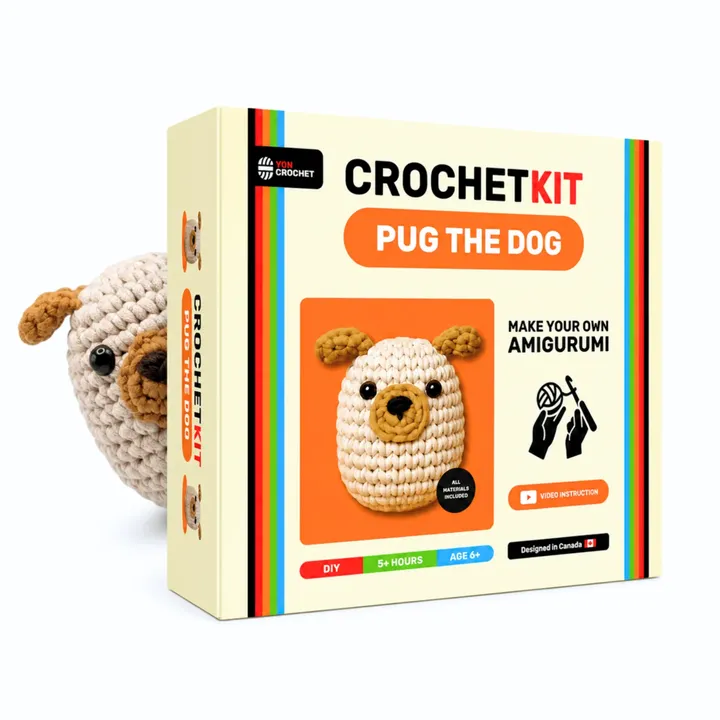
A hook that is too small creates rigid fabric; one that is too large may leave unwanted gaps and weak structure.
Photo and project inspiration: YON Crochet.
- LEVEL
- Beginner
- TRY IT WITH
- Several nearby hook sizes
- FINISHING NOTE
- Treat the yarn label as a starting point, then judge the fabric you make.
Learning With Difficult Yarn
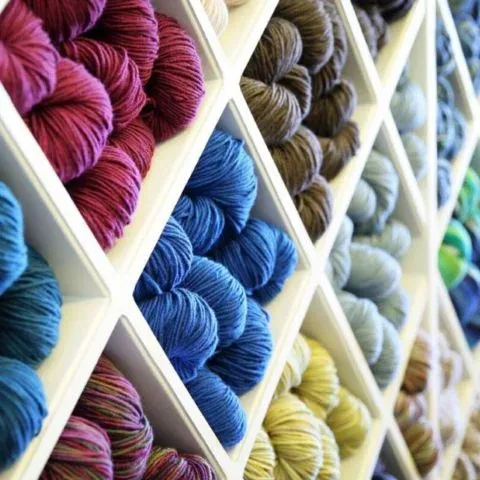
Very dark, fuzzy or highly textured yarn can hide loops and make it hard to see exactly where the hook should go.
Photo and project inspiration: WEBS / Yarn.com.
- LEVEL
- Beginner
- TRY IT WITH
- Light-colored smooth yarn
- FINISHING NOTE
- Begin with a pale, smooth medium-weight yarn so every stitch is visible.
Skipping the Gauge Swatch
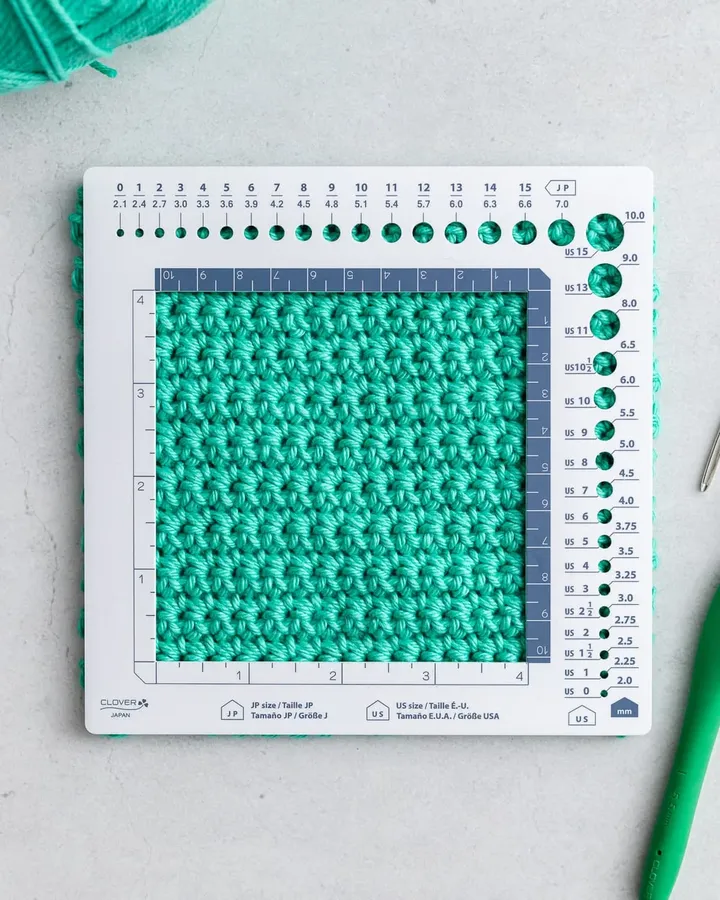
Small gauge differences multiply across garments, fitted accessories and blankets, changing both finished size and yarn usage.
Photo and project inspiration: Sarah Maker.
- LEVEL
- Beginner
- TRY IT WITH
- Project yarn, hook and ruler
- FINISHING NOTE
- Make a swatch larger than the measured area, then wash it as the finished item will be washed.
Mismatching Yarn and Hook
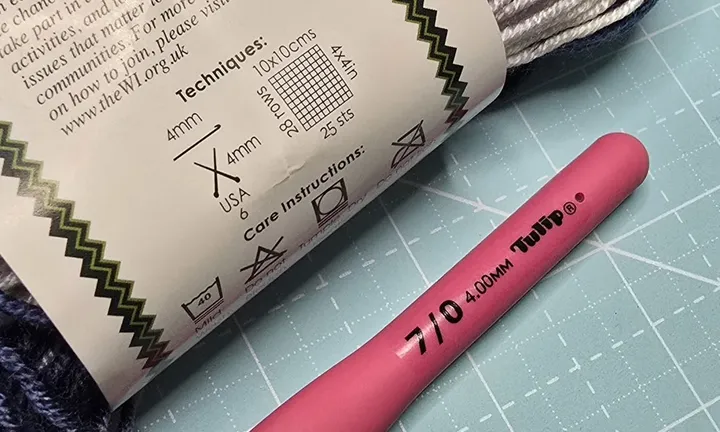
The yarn weight and hook work as a pair. Changing only one can alter drape, density and the amount of yarn required.
Photo and project inspiration: Crafting with Beth.
- LEVEL
- Beginner
- TRY IT WITH
- Yarn label and hook set
- FINISHING NOTE
- Test two hook sizes when substituting a yarn for the first time.
Mixing Up US and UK Terms
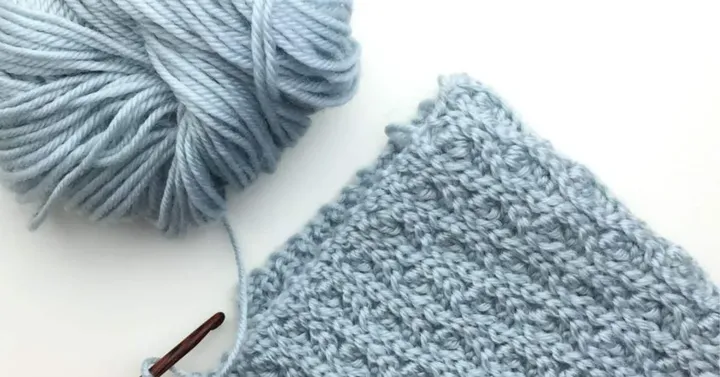
The same stitch name can describe different techniques in US and UK terminology, so an unnoticed mismatch quickly changes the fabric.
Photo and project inspiration: Joy of Motion Crochet.
- LEVEL
- Beginner
- TRY IT WITH
- Crochet term conversion chart
- FINISHING NOTE
- Confirm the pattern terminology before translating any abbreviation.
Skipping the Blocking Step
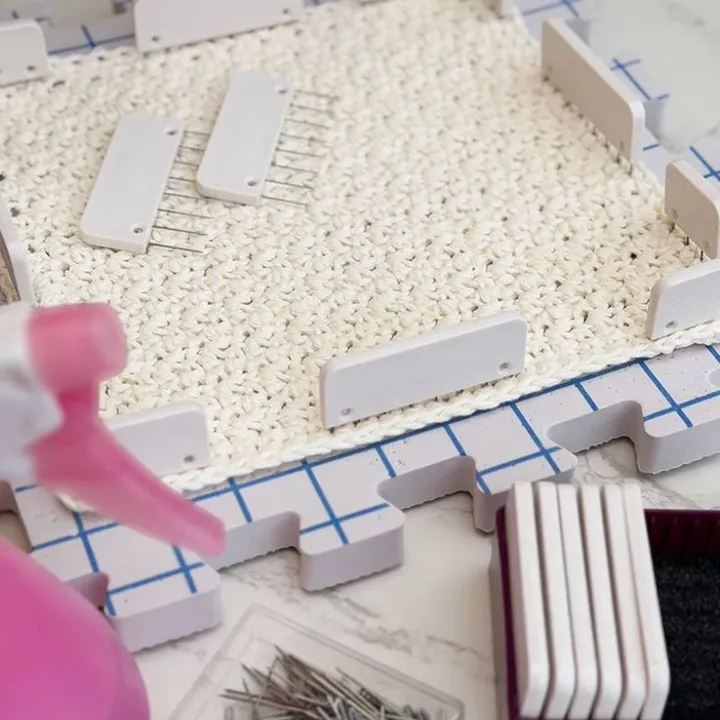
Blocking evens stitches, opens lace and helps separate pieces reach the correct shape before assembly.
Photo and project inspiration: Handy Little Me.
- LEVEL
- Beginner
- TRY IT WITH
- Rustproof pins and blocking mat
- FINISHING NOTE
- Use a blocking method appropriate for the yarn fiber and care instructions.
Cutting Ends Too Short
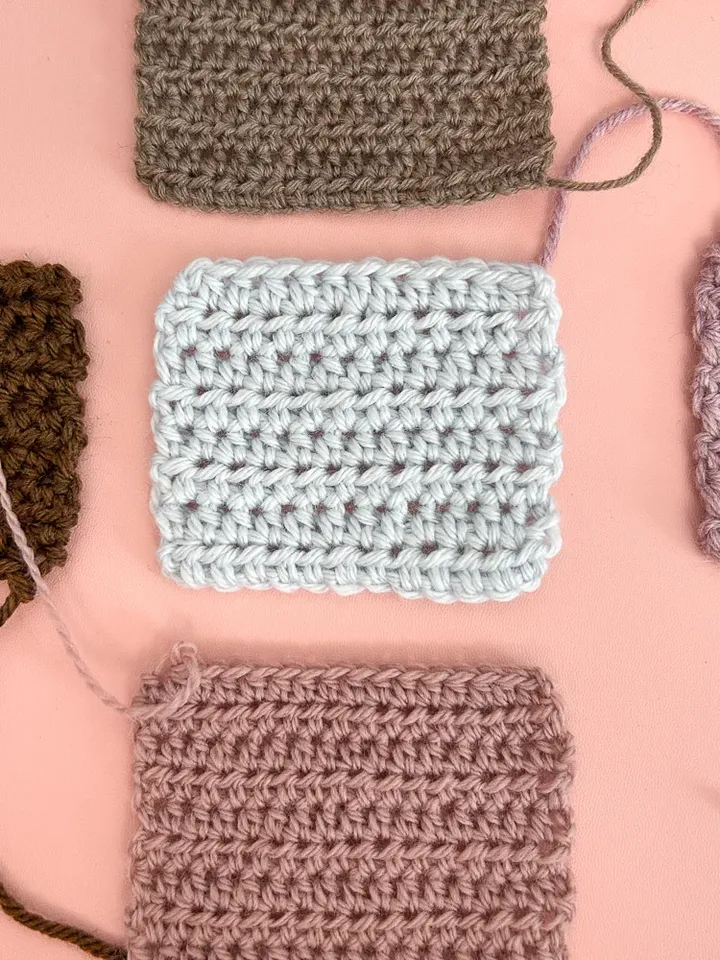
Short or poorly secured tails can work loose during use and washing, undoing an otherwise beautifully finished project.
Photo and project inspiration: Just Be Crafty.
- LEVEL
- Beginner
- TRY IT WITH
- Blunt tapestry needle
- FINISHING NOTE
- Leave a generous tail and weave it back through several stitch directions.
Make thoughtfully and check as you go.
Yarn, hook size and personal tension can change the finished scale. Count every round, stuff gradually and use embroidered features instead of safety eyes when making toys for children under three.